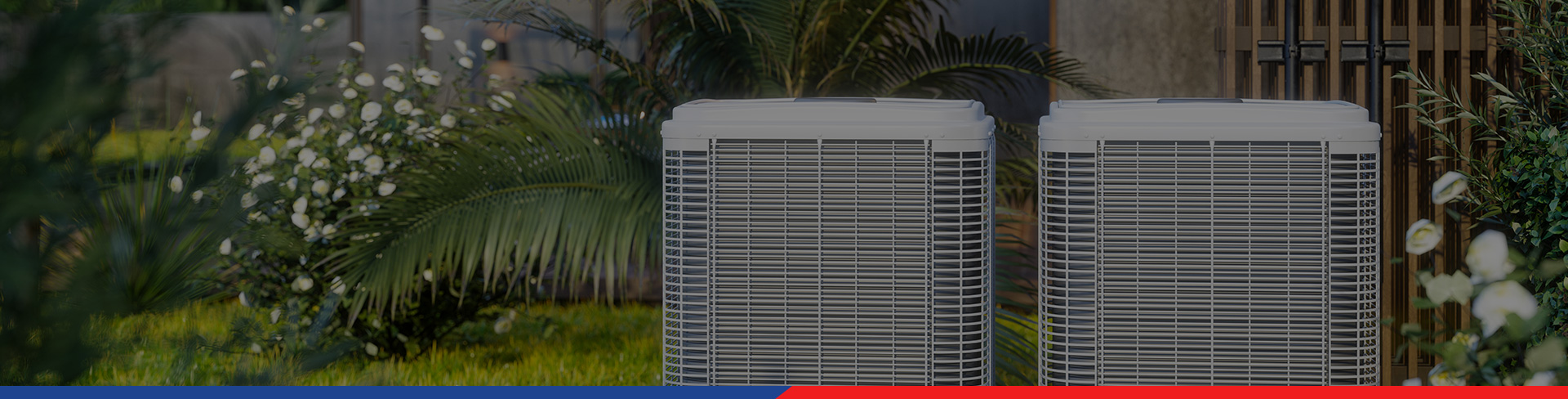
Living along Florida’s Treasure Coast in Port St. Lucie comes with plenty of natural beauty—and some very real HVAC challenges. Coastal HVAC corrosion caused by salt air, humid conditions, and frequent storms can threaten your comfort and budget. Most HVAC systems are simply not built to withstand these elements without targeted protection, which means homes and businesses in our community face higher risks for breakdowns, inefficiency, and costly repairs. Understanding how corrosion works—and what you can do to prevent it—can help you protect your property while getting the most from your investment.
Why Does Coastal HVAC Corrosion Progress So Quickly in Port St. Lucie?
Salt in coastal air accelerates the corrosion process for HVAC systems in Port St. Lucie. Daily winds from the Atlantic Ocean carry fine salt particles, which settle onto outdoor components and begin attacking metal surfaces almost immediately. Combined with Florida’s heavy humidity, this creates an environment where steel, aluminum, copper, and even fasteners are prone to rapid wear. The cycle worsens after summer storms or hurricanes, when windblown saltwater coats everything in its path.
Salt’s corrosive properties break down protective coatings on condenser coils, fan blades, and outdoor unit housings. Once exposed, metals begin to oxidize and pit, compromising structural integrity and thermal performance. HVAC systems not built or treated for coastal climates are at a distinct disadvantage and often show significant deterioration in just a few short years—sometimes much sooner than systems located inland.
Even neighborhoods several miles from the shoreline face risks from elevated salt content, as wind patterns and high moisture keep corrosive particles in the air. Business owners and property managers with rooftop or exposed installations may see damage accelerate even faster. Early detection and intervention is crucial to avoid system failures and high replacement costs, making coastal HVAC corrosion in Port St. Lucie a persistent concern for every property owner.
How Can You Identify HVAC System Corrosion Before It Causes Major Issues?
Early detection can mean the difference between routine repairs and extensive system damage. Visual signs often appear first: look for patches of rust, peeling paint, or chalky white and green residues on your outdoor HVAC unit. Focus on areas around the condenser coils, metal casing, and fasteners—these zones show the initial effects of salt buildup and corrosion. Fins and coil tubing may start to pit or crumble when touched if the corrosion is advanced, indicating urgent attention is needed.
Performance declines are another red flag. If your air conditioning system can’t maintain cool, consistent temperatures—or seems to run constantly—it may be struggling with blocked or degraded coils. Corroded parts can also affect airflow, causing hot and cold spots indoors, excessive energy use, and unusual operation cycles. Over time, salt corrosion may lead to refrigerant leaks, which not only reduce cooling capacity but also risk further internal damage.
Unusual odors and noises are more subtle indicators. A metallic, musty, or “hot” electrical smell from the outdoor unit often means corrosion has reached internal electrical components or ductwork. Clicking, buzzing, or grinding noises may point to compromised relays, contactors, or fan motors coated in corrosion. Addressing these signs promptly with a professional inspection helps prevent more severe breakdowns and supports your HVAC unit’s reliability in our coastal climate.
Which HVAC Components Are Most at Risk for Salt Damage in Port St. Lucie?
Certain HVAC parts are more vulnerable to coastal salt corrosion due to their exposure and design. Condenser coils face the greatest risk since they are thin, often uncoated, and directly exposed to salty air. Even coils with light factory coatings may become pitted or clogged over time, which dramatically reduces efficiency and increases the likelihood of refrigerant leaks. Evaporator coils inside the unit, while less exposed to outdoor air, can also deteriorate if salt-laden moisture enters through intake vents or ductwork.
Fasteners, screws, brackets, and mounting hardware bear the brunt of environmental exposure. Corroded hardware can seize up, making it difficult to remove panels for repair or allow water to infiltrate the casing, increasing the scope of future damage. Electrical terminals and connections are especially susceptible—salt deposited on circuit boards or contact points can short out components or cause erratic behavior, often leading to system shutdowns or safety risks.
Compressor housings, motor shafts, and fan blades—especially those made of untreated metal—are also targets for salt and humidity. When these moving parts grow stiff or begin to rust, the system’s overall operation suffers. Larger commercial systems placed on roofs or high-wind locations frequently show advanced corrosion within only a few seasons, making proactive inspection essential for long-term performance.
Are Certain Materials & Brands Better for Coastal HVAC Installations?
Choosing HVAC equipment for Port St. Lucie means prioritizing corrosion resistance at every level. Not all metals perform the same in a salt-heavy environment—aluminum coils, while light and thermally efficient, still develop pitting without robust coatings. Copper delivers excellent heat transfer but can develop pinhole leaks if not protected by a thick polymer or epoxy finish. Stainless steel resists most salt exposure, but due to higher costs, it’s typically used for select parts or brackets, not for entire coil assemblies.
Look for brands offering “coastal” or “marine-grade” models that specify salt spray resistance or meet ASTM B117 test standards. These products usually feature factory-applied polymer or epoxy coatings on coils and internal components, creating a long-lasting barrier against salt intrusion. Product documentation may reference “corrosion resistant coil,” “seacoast coating,” or similar terms, and leading manufacturers often include a longer warranty for coated systems.
Beyond coils, advances in corrosion-resistant plastics and composite materials for fasteners, fan blades, and brackets make a difference. When installing a new unit or replacing system components, request documentation proving coastal suitability. Local HVAC professionals accustomed to Port St. Lucie’s climate can provide brand recommendations and help you compare warranties, maintenance requirements, and total cost of ownership for long-term value.
How Can Preventive Maintenance Plans Combat Coastal HVAC Corrosion?
A customized maintenance plan is your first line of defense against salt-induced HVAC corrosion. In Port St. Lucie, regular coil cleaning is especially important—salt, sand, and debris accumulate quickly on every exposed surface. Schedule gentle rinses with a low-pressure hose monthly, and ensure the technician uses non-corrosive cleaners safe for coil materials. Quarterly service visits, rather than the standard six- or twelve-month interval, help catch early signs of corrosion or mechanical wear and keep your system in peak condition.
Comprehensive maintenance goes beyond coil cleaning. Entrust your system to professionals who check for rust and pitting on all exposed parts, test electrical components for salt intrusion, and inspect seals on access panels and refrigerant lines. Look for a service provider that can inspect, lubricate, and replace at-risk hardware before it fails. Proactive measures—including regular reapplication of corrosion inhibitors—help extend the lifespan of your system, improve energy efficiency, and protect against sudden outages during Florida’s hottest months.
Effective maintenance plans also include detailed documentation. Keep a log of all inspections, cleanings, and recommended repairs for insurance or warranty purposes. When you work with a team like GMS Heating & Cooling, you benefit from ongoing communication, convenient same-day or weekend scheduling, and tailored plans that account for the realities of living on the coast. These extras set local providers apart and ensure you never have to wonder when your next service is due.
What Are the Most Effective Protective Coatings & Treatments for Coastal Environments?
Protective coatings make all the difference for HVAC systems in a high-salt climate. Epoxy-based coatings, often applied at the factory, provide one of the toughest barriers, fully encapsulating coils and resisting both salt and moisture. Polymer and polyvinyl treatments offer additional resilience, guarding against both corrosion and chemical exposure. When evaluating new equipment or upgrades, always request clear information from suppliers about the type of coil protection provided and any field-applicable options available.
Hydrophobic sprays and sacrificial metal coatings serve as additional lines of defense. Hydrophobic coatings force water and salt off surfaces, minimizing contact time and slowing the corrosion process. Sacrificial zinc treatments are designed to corrode in place of steel, preserving core components. These are especially helpful for mounting brackets or hardware near the coast, where constant salt spray is unavoidable.
No coating lasts forever. Annual inspections should identify any cracks, chips, or wear that could let salt reach unprotected metal beneath. In some cases, reapplication may be necessary every one to three years, depending on environmental exposure and the specific product. Working with a professional who understands which treatments are compatible with your unit’s materials and warranty requirements ensures long-term savings and peace of mind.
How Do Local Codes & Insurance Policies Affect Coastal HVAC Corrosion Protection?
Local building codes in Port St. Lucie require contractors to follow strict guidelines for equipment installed in coastal zones. These may include use of corrosion-resistant hardware, factory-coated coils, and elevated installations above potential flood zones. Updated codes reflect years of experience with Florida’s extreme weather, helping prevent premature system failure and improve occupant safety. Homeowners and property managers should always ask about code compliance when installing or replacing HVAC equipment.
Inspection requirements often extend to regular maintenance as well. County and city inspectors may expect to see documentation proving that your system has been serviced according to local recommendations, especially for units located within several miles of the shoreline. Keeping maintenance records is not just smart for performance—it’s essential for demonstrating due diligence in property management and regulatory compliance.
Insurance policies for homes and businesses in coastal areas often exclude gradual corrosion unless you can prove regular, preventive maintenance. Coverage for sudden failures due to environmental events may still apply if you’ve kept up with industry best practices and documented professional service. Before a claim is necessary, review your policy for language on corrosion, and build a relationship with HVAC professionals who keep thorough maintenance logs you can access if questions arise.
What Practical Steps Can You Take Now to Reduce Coastal HVAC Corrosion & Boost Performance?
You don’t have to wait for a technician to protect your system from salt damage. Simple, regular actions make a dramatic difference. Begin by rinsing the outdoor unit with a garden hose (using low pressure only—never power wash) every month, especially after heavy rains or windy days. Remove obstructions like lawn debris, stacked garden furniture, or overgrown plants to maintain clear airflow and reduce debris pileup on coils and casing.
Consider installing fencing or physical barriers, made from PVC or powder-coated metal, to reduce exposure to direct salt spray without restricting ventilation. Raise the unit slightly on a platform or pad to prevent standing water—especially helpful if your property is prone to pooling after storms. Adjusting the installation site can make your system less vulnerable to both salt and flooding, reducing the chance of rapid decay.
Update your smart thermostat settings to support regular system cycling, so components get a chance to dry out between runs. Turn on maintenance reminders through your thermostat or a calendar app to ensure you never miss scheduled service. If you notice any drop in performance, odd smells, or new noises, schedule an inspection before those warning signs become major repair needs. Being proactive dramatically improves both system efficiency and long-term reliability.
When Should You Repair vs. Replace a Corroded HVAC System on the Coast?
Knowing when service can restore your HVAC system—and when full replacement makes more sense—protects both your comfort and budget. Minor surface corrosion limited to hardware or casing often responds well to spot treatment and proactive replacement of small parts. However, if pitting, leaks, or electrical malfunctions stem from advancing salt damage, patchwork repairs offer only a temporary fix and may lead to repeat problems.
Consider the age of your system and the frequency of service calls. If the unit is over ten years old or requires frequent repairs, investing in a new, corrosion-resistant system can provide better long-term value. Modern coastal-rated HVAC models are often more energy efficient, come with advanced coatings, and offer warranties suited to Port St. Lucie’s climate. Replacement may also lower your energy bills, offsetting some upfront cost over time.
Always ask for a transparent, detailed assessment from your HVAC technician before making a decision. Look for advice that weighs downtime, projected costs, and the risk of future outages honestly. Some problems look small on the surface but signal deeper damage; others may be solved with routine replacement of vulnerable components. Experienced, locally based teams are uniquely positioned to offer the guidance you need—and support maintenance and documentation for every choice you make.
Why Trust a Local, Family-Run HVAC Company for Coastal Corrosion Solutions?
Working with a local, family-run HVAC provider like GMS Heating & Cooling means you benefit from firsthand knowledge of coastal Florida’s unique climate challenges. Our team has served Port St. Lucie and nearby communities for years, building comfort solutions that last in environments where salt air and storms are a constant presence. We understand that protecting your investment means more than quick fixes—it means delivering solutions tailored for real-world conditions faced by our friends and neighbors year-round.
At GMS Heating & Cooling, our non-commissioned technicians recommend what’s best for your system, not what benefits our bottom line. We offer upfront quotes, transparent communication, and scheduling options designed for your convenience—including same-day and weekend appointments. Our preventive maintenance plans address salt, humidity, and storm threats through regular inspections, detailed cleaning, and proactive part replacement.
We’re always focused on finding ways to extend the life and reliability of systems in our community.
Choosing a provider embedded in the local community ensures you’re getting practical solutions, not one-size-fits-all advice. Our team prioritizes your comfort, keeps you informed every step of the way, and adapts services to the specific realities of coastal Port St. Lucie. By building long-term relationships based on trust and consistent follow-through, we make tackling coastal HVAC corrosion a problem you never have to face alone.
Protecting your HVAC system in a coastal environment requires informed choices and reliable support. For answers, honest assessments, or to discuss a maintenance plan built for Port St. Lucie’s coastal demands, reach out to GMS Heating & Cooling at (772) 279-3739. We’re here to provide local guidance and convenient service focused solely on your long-term comfort and peace of mind.