When your air conditioning stops cooling in the middle of Port St. Lucie’s summer, stress builds fast. From high humidity to sudden storms, local conditions can quickly overwhelm even newer HVAC systems. Before you reach for the phone, it pays to know when you can handle an issue yourself—and when it’s best to call in reliable help. By walking through a few safe diagnostic steps, you can restore comfort, prevent breakdowns, and even save money. Let’s take a closer look at DIY HVAC troubleshooting for Florida homes and businesses, so you feel prepared to keep your system running strong.
What Are the Most Frequent HVAC Problems in Port St. Lucie & Neighboring Areas?
Homes & businesses in Port St. Lucie face HVAC challenges that differ from the national average. With relentless heat, coastal humidity, and regular storms, HVAC units here work harder—often leading to issues like poor cooling performance, longer runtimes, and sudden system shutdowns. It’s common for air conditioning units to run constantly without effectively lowering humidity, especially during the summer months when heat indexes climb above 90°F. These local factors also make corrosion a concern, particularly for condenser units exposed to salt air and frequent rain.
Water leaks around the air handler are a top concern for many property owners in our area. High humidity encourages algae growth in condensate drain lines, causing clogs and spills. Alongside this, thermostat malfunctions—ranging from dead batteries to settings knocked askew—throw many homeowners off track. The combination of year-round system use and extreme weather puts more strain on HVAC equipment, making routine troubleshooting and timely maintenance crucial for avoiding larger, costlier repairs down the line.
Electrical issues, like tripped breakers after thunderstorms, also surface frequently. Understanding these common pain points helps you respond quickly and protect your comfort—whether it’s a minor filter issue or the first sign of something deeper within your system.
How Can I Troubleshoot My Thermostat Before Making a Call?
Your thermostat acts as the “brain” of the HVAC system, but it’s often overlooked. If your air conditioning or heat isn’t coming on, start with the basics: is the display lit? If not, swap out the batteries or check the circuit breaker dedicated to your HVAC. Then, confirm the mode—make sure it’s set to “cool” or “heat,” and the temperature setting will trigger the system to run. Accidental changes, especially with programmable or smart thermostats, account for a surprising number of service calls in our area.
Advanced thermostats sometimes default to “away” or energy-saving modes, leaving homes warmer than desired. If your thermostat has Wi-Fi features, check for error messages in the app or see if it has lost connection. Loss of Wi-Fi can temporarily disrupt some systems. Running through a hard reset—shutting the unit off for a minute and turning it back on—can often clear up unresponsive displays or glitches. However, avoid resetting your breaker more than once, as repeated trips can signal deeper electrical issues.
If your system still won’t kick on after these steps, the problem may be beyond the thermostat and inside the HVAC equipment itself. Identifying thermostat issues first loads the odds in your favor and prevents unnecessary appointments—an easy win for anyone comfortable with basic troubleshooting.
Why Is My AC Running But Not Producing Cold Air—What Should I Check?
When your HVAC runs but doesn’t cool, it often points to airflow or refrigerant problems. Begin with the filter. Dirty or clogged air filters are the leading cause of weak cooling and system ice-up in Port St. Lucie. Monthly filter changes are recommended locally, especially with pets, allergies, or ongoing construction dust. Removing a clogged filter & replacing it with a new one can restore cooling quickly—and may solve airflow issues that feel like bigger problems at first.
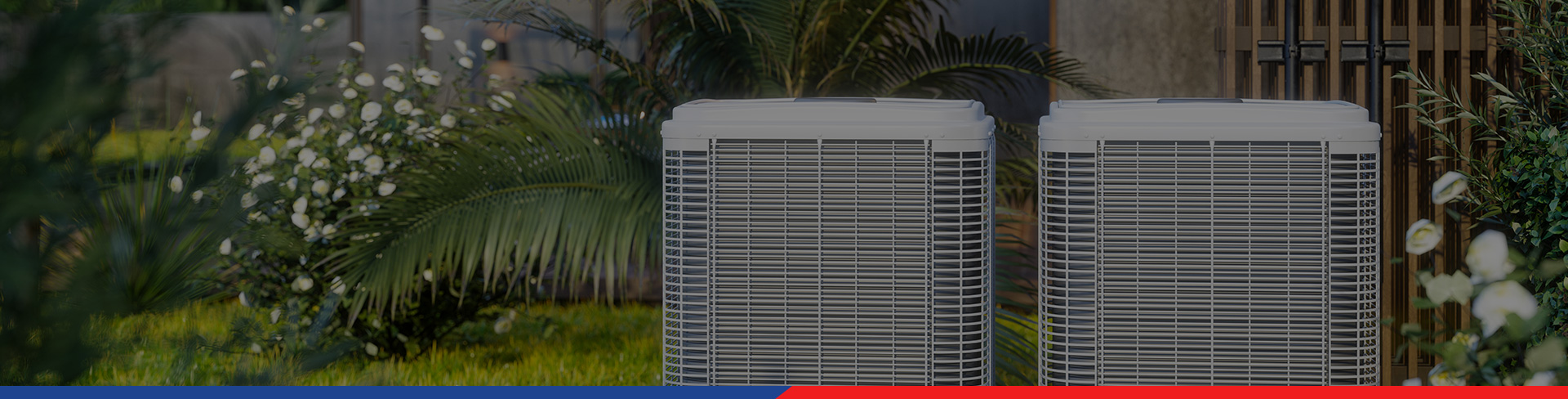
After filter replacement, inspect vents and registers throughout your home. Make sure all are fully open and not blocked by furniture or drapes, as even a single closed vent stresses your cooling equipment. Step outside and look at the condenser unit. Clear any grass clippings, palm fronds, or landscaping debris from around the unit’s base, keeping at least two feet of open space around all sides for optimal airflow.
If your AC still blows warm air or doesn’t turn on at all after these checks, the issue may involve refrigerant levels, compressor failure, or an internal switch. In coastal Florida, salt air and humidity can hasten these failures. Such cases require a licensed technician’s service, but these basic steps address the most common, fixable issues before you call.
Strange Noises & Odd Odors—What Do They Mean for Your HVAC?
Odd noises and unpleasant smells provide clues about underlying system trouble. Rattling or banging usually means loose hardware or broken fans—problems that, if ignored, worsen quickly or even cause total system breakdowns. Buzzing often indicates electrical issues, such as a faulty contactor or failing relay. Distinguishing between normal startup sounds and persistent unusual noise helps you act quickly and protect your home from further harm.
Odors require early action. Musty smells suggest mold or mildew building up in your air handler or ductwork. This is common during the summer or after heavy rainfall in Port St. Lucie, and ignoring it can lead to illness or further system damage. Burning or melting plastic scents should prompt you to shut down your HVAC immediately, as this may indicate overheating wiring or components.
When you encounter a strong odor or persistent noise, switch off the system at the breaker and open doors or windows. Do not use the system again until it’s inspected. Noting the type, timing, and frequency of these symptoms can help your technician pinpoint the problem faster and minimize downtime.
Is It Safe To Fix HVAC Electrical Issues Without Professional Help?
Handling electrical issues requires caution—some checks are safe, while others should always be left to professionals. Homeowners can routinely check the main HVAC breaker in their electrical panel. If it’s tripped, reset it just once and observe whether the system restarts. If it trips again, leave it off. Continuous breaker trips may point to dangerous shorts, failed components, or wiring problems which require licensed repair, not DIY solutions.
Cabinet disconnect switches are often found near outdoor AC units. While you can verify that the plug is fully inserted in its slot, never attempt to open panels, test voltage, or replace fuses unless you are fully qualified. Many service issues in Port St. Lucie are tied to seasonal storms and power surges, but safe DIY troubleshooting should never go beyond what’s accessible and risk-free. Handling wiring or capacitors can cause electrical shock or property damage, and may void your system’s warranty.
If your system fails to restart after a simple breaker check, or if you see sparks, smoke, or discoloration around panels, call a professional immediately. Prioritize personal safety and the integrity of your home by respecting these boundaries—GMS Heating & Cooling always responds promptly when electrical issues require licensed intervention.
How Can I Tell If the Problem Is With My Air Filters & Ductwork?
Restricted or dirty air filters place heavy strain on your HVAC and are the simplest fix for weak airflow in Florida homes. Pull out your filter and hold it up to the light—if you can barely see through it, it’s overdue for replacement. Filters should be changed every month during intense use; more frequently if you notice visible dirt or increased dust indoors. Document each change to keep in line with manufacturer recommendations and protect your warranty.
Duct issues are slightly harder to spot but present with certain clues. Noticeable temperature differences between rooms, visible dust near registers, or a musty smell coming from your vents often point to duct leaks or mold growth. Safely check visible duct runs in accessible places like attics or basements for separated joints or signs of condensation. Sealing these with HVAC-grade tape or reporting them to a pro helps preserve airflow & comfort year-round.
If you see persistent mold, major gaps, or suspect internal duct contamination, call for an evaluation from a licensed provider. Skilled technicians from GMS Heating & Cooling use tools and local experience to restore optimal efficiency, ensuring your system distributes clean, conditioned air throughout your property.
Which HVAC Problems Should Always Be Addressed by a Licensed Professional?
Some HVAC issues are never safe—or cost-effective—to tackle yourself. Refrigerant leaks should always be handled by licensed technicians, as improper handling can be hazardous to both you and the environment. Likewise, complex electrical faults, persistent burning smells, and any situation where you see smoke, scorching, or sparks should prompt an immediate system shutdown and professional evaluation. Attempting these repairs on your own can put your property and safety at serious risk.
Common warning signs that warrant professional help include:
- System repeatedly short-cycles (turns off and on rapidly)
- Standing water or continuous leaks around equipment
- Loud or grinding noises from indoor or outdoor units
- Burning or chemical odors
- Ice build-up on refrigerant lines, even during cooling mode
If you spot any of these symptoms, do not run your HVAC until it has been checked and repaired by a licensed provider.
Choosing a fully insured team like GMS Heating & Cooling ensures safe diagnostics, compliance with local codes, and repairs done right the first time. Trusting licensed technicians also maintains your warranty coverage—an added layer of protection in Florida’s climate.
Could DIY HVAC Troubleshooting Invalidate My System’s Warranty?
Most HVAC manufacturers encourage simple maintenance—like changing filters or resetting the thermostat—as part of normal ownership. However, unlicensed repairs, refrigerant handling, or opening sealed electrical components can easily void your system’s warranty. Even basic actions such as replacing parts without the right documentation may affect your eligibility for future coverage.
Always keep a record of every service visit, note the date of filter changes, and store all receipts. If you’re unsure about a specific repair, consult your warranty documentation or call the manufacturer’s support line before going further. Many warranties require at least one documented professional inspection each year, and skipping this can result in denied claims if something fails down the road.
By sticking to safe, manufacturer-approved DIY maintenance, you protect your investment and avoid unpleasant surprises. GMS Heating & Cooling staff provides warranty-compliant service that keeps Port St. Lucie homes & businesses comfortable and secure all year.
How Does Regular DIY Maintenance Save Money on HVAC in Florida?
Routine HVAC maintenance is the foundation of cost savings for both homeowners and businesses. A clean, regularly changed filter prevents system strain, improves air quality, and keeps cooling bills under control—especially during the relentless Port St. Lucie summer. Keeping the area around your outdoor condenser free of debris, ensuring unobstructed return and supply vents indoors, and running your AC or heat monthly in the off-season all add up to fewer emergency calls.
Addressing humidity by clearing condensate drain lines—particularly after heavy weather—helps prevent mold, leaks, and breakdowns. Neglecting filters or ignoring warning signs can quickly lead to bigger problems, such as compressor failure or frozen coils, problems that result in higher repair costs and even equipment replacement.
Follow a proactive AC maintenance checklist:
- Change air filters every month during peak season
- Inspect vents and keep them free from obstructions
- Clear away any plants or debris around outdoor condenser units
- Check for and clear clogs in the condensate drain line
- Visually inspect accessible ductwork every few months
Staying ahead with these simple actions saves you money, avoids downtime, and keeps your family or team comfortable year-round.
When Is It Time to Schedule Preventive HVAC Maintenance with a Local Pro?
Sometimes, even with diligent DYI care, your HVAC needs more than quick fixes. Rising energy bills, short cycling, hot or cold spots throughout your property, or high indoor humidity all signal it’s time for a full assessment from a licensed provider. Florida’s weather adds extra stress to local systems, so routine professional maintenance is not just about convenience—it’s vital for long-term reliability.
When you schedule preventive HVAC maintenance, trained pros perform deep-cleaning on indoor coils, test refrigerant levels, calibrate controls, check for leaks, and make sure safety controls and connections are sound. This in-depth care goes beyond what homeowners can safely do, safeguarding you from unexpected breakdowns and catching small repairs before they grow. Scheduling annual maintenance before the summer surge brings peace of mind and stronger performance when temperatures peak.
With GMS Heating & Cooling, you’ll always know exactly what to expect: straightforward pricing, timely communication, and a family-owned team who understands the unique challenges in Port St. Lucie. Our custom plans are designed around local climate needs and your budget—helping deliver comfort and cost control in equal measure.
What Makes GMS Heating & Cooling the Go-To for Reliable HVAC Service?
When DIY troubleshooting reaches its limit, trust in a local partner makes all the difference. At GMS Heating & Cooling, we’re not just another provider—we’re deeply rooted in Port St. Lucie, with decades of family-led experience serving both residential & commercial clients. Our non-commissioned, fully insured team focuses on honest assessments and solutions driven by actual need, never quotas or upsells.
We understand the urgency of local HVAC needs, which is why we provide same-day appointments, weekend flexibility, and rapid responses for emergencies. Our transparent pricing and commitment to clear communication mean you’ll never face surprise fees, and your comfort won’t wait for the next business day. Whether you’re dealing with an aging system or setting up a custom maintenance plan, our technicians treat every home & business as if it were their own.
Every service call reflects our promise: courteous interactions, real solutions, and a focus on long-term relationships—not just transactions. Port St. Lucie families & businesses return to GMS Heating & Cooling for reliability, value, and service that goes beyond expectations, year after year.
Step-by-Step DIY HVAC Troubleshooting Checklist for Port St. Lucie Residents
Before you call for professional help, walk through these steps to rule out common HVAC issues in Florida’s climate:
- Confirm your thermostat is set to “cool” or “heat,” check for working batteries, and reset if needed.
- Replace all air filters—especially after heavy system use or storms.
- Verify all vents and returns are open and unobstructed.
- Clear at least two feet of space around your outdoor condenser unit from debris or plants.
- Check for water around the air handler and inspect drain lines for clogs or algae.
- Listen for odd sounds like banging, buzzing, or clicking, and shut off the system if you notice burning smells.
- Reset the HVAC breaker only once if it’s tripped; call for service if it doesn’t hold.
- Inspect visible ductwork for loose joints, dust, or mold growth.
If issues persist or you see red flags like leaks, strong odors, or ongoing cycling, reach out right away. Our team at GMS Heating & Cooling is always ready with fast, honest answers and solutions that fit Port St. Lucie’s unique needs. Looking for trustworthy help or advice? Call (772) 279-3739 and get your comfort back on track today.