.2511050215464.jpg)
Spring arrives early on Florida's Treasure Coast, and with it comes rising temperatures that put your air conditioning system to work. After months of milder weather, your AC needs attention to handle the demanding cooling season ahead. Taking steps now to prepare your system means you'll stay comfortable when the mercury climbs and avoid unexpected breakdowns during the hottest days of the year.
Don't wait until the first heat wave hits! Contact GMS Heating & Cooling today at (772) 283-6746 or fill out our online contact form to schedule your spring AC tune-up.
Why Spring AC Preparation Matters in Coastal Florida
The climate in Port St. Lucie, Palm City, and surrounding areas in Martin County, St. Lucie County, and Palm Beach County creates unique challenges for cooling systems. High humidity combines with intense heat to make your AC work harder than in many other parts of the country. A system that hasn't been properly maintained may struggle to keep up, leading to higher energy bills, reduced comfort, and potential system failure right when you need cooling most.
Spring preparation helps identify small issues before they become major problems. A worn belt, a refrigerant leak, or a clogged drain line might seem minor now, but any of these can cause your system to fail on a 95-degree day in June. Regular maintenance extends the life of your equipment and keeps it running at peak efficiency.
Start with a Visual Inspection
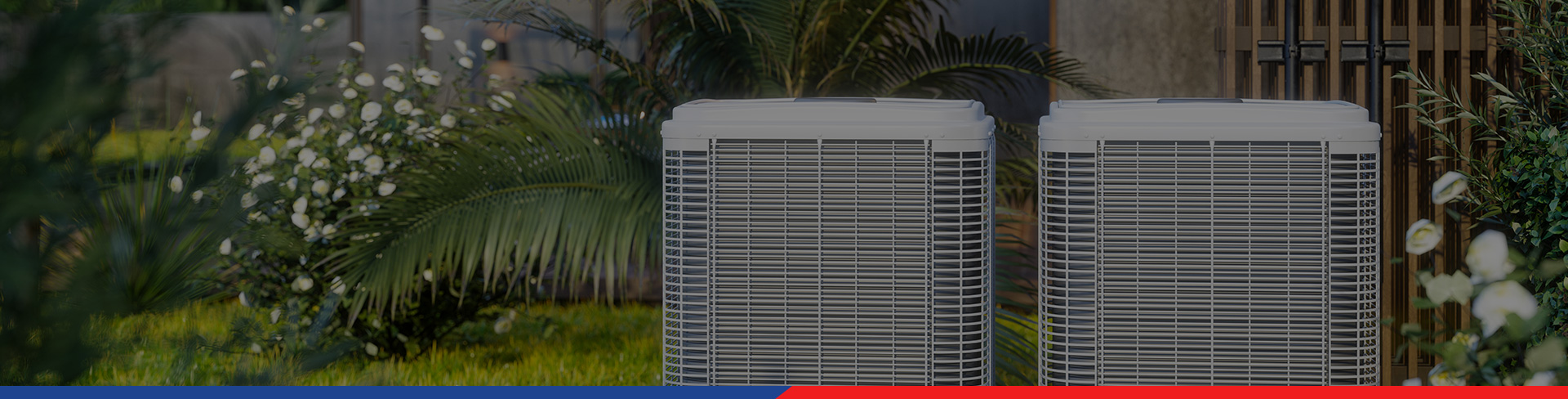
Before diving into detailed maintenance tasks, walk around your outdoor unit and look for obvious issues. Check for debris like leaves, grass clippings, or branches that may have accumulated around the condenser during winter months. Clear away anything within two feet of the unit to ensure proper airflow.
Look at the unit itself for signs of damage. Bent fins on the condenser coils, rust spots, or loose components all indicate problems that need attention. While you're outside, make sure the concrete pad supporting the unit is level and hasn't settled or shifted.
Change Your Air Filter
Your air filter is one of the most important components for system efficiency and indoor air quality. A dirty filter restricts airflow, forcing your AC to work harder and use more energy. It also allows dust and allergens to circulate through your home instead of being trapped.
Most filters need replacement every 1-3 months depending on your home's conditions. If you have pets, live near construction, or someone in your household has allergies, you'll need to change filters more frequently. Spring is the perfect time to inspect your current filter and replace it if needed. Consider upgrading to a higher-quality filter that captures smaller particles while maintaining good airflow.
Clean the Condenser Coils
The outdoor condenser unit contains coils that release heat from your home to the outside air. Over time, these coils collect dirt, pollen, and other debris that reduces their ability to transfer heat efficiently. This makes your system work harder and increases energy consumption.
You can gently clean the exterior of the coils with a garden hose, spraying from the inside out to push debris away from the unit. Avoid using a pressure washer, as the high pressure can damage the delicate fins. For a more thorough cleaning, especially if you notice significant buildup, professional air conditioning service ensures the job is done correctly without damaging components.
Check Your Thermostat Settings
Your thermostat is the control center for your cooling system. As temperatures rise in spring, review your settings to ensure they match your comfort needs and efficiency goals. If you're still using an older manual thermostat, consider upgrading to a programmable or smart model that automatically adjusts temperatures based on your schedule.
Set your thermostat to 78 degrees when you're home for a balance of comfort and efficiency. Every degree lower can increase your energy costs by 3-5%. When you're away, raise the temperature by 7-10 degrees to save energy without putting unnecessary strain on your system when it cycles back on.
Inspect and Clear the Condensate Drain Line
Your AC removes humidity from your home's air, and that moisture needs somewhere to go. The condensate drain line carries water away from your indoor unit, but it can become clogged with algae, mold, or debris over time. A blocked drain line can cause water to back up and damage your home or shut down your system as a safety measure.
Locate the drain line near your indoor unit and check for standing water or signs of leaks. You can flush the line with a mixture of water and vinegar to help prevent clogs. If you notice water pooling around your indoor unit or the drain pan is full, you likely have a clog that needs professional attention.
Test Your System Before You Need It
Don't wait for the first really hot day to discover your AC isn't working properly. Turn on your system in early spring and let it run for at least 15-20 minutes. During this test run, pay attention to several factors:
- Cooling Performance: Does the air coming from your vents feel cold? If it's lukewarm or not much cooler than room temperature, you may have a refrigerant issue or compressor problem.
- Airflow Strength: Weak airflow from vents could indicate a blower motor issue, ductwork problems, or a severely clogged filter.
- Unusual Sounds: Grinding, squealing, or banging noises aren't normal and suggest mechanical problems that need immediate attention.
- Odors: Musty smells might indicate mold in your system or ductwork, while burning odors could signal electrical issues.
- Cycling Frequency: Your system should run in steady cycles, not turn on and off repeatedly every few minutes.
Any of these warning signs means it's time to call for professional help. Addressing issues now prevents emergency AC repair calls during the peak of summer.
Consider Professional Maintenance
While homeowners can handle many preparation tasks, a professional tune-up provides a deeper level of service that protects your investment. HVAC technicians have specialized tools and training to identify issues you might miss and perform maintenance tasks that require technical expertise.
During a professional maintenance visit, technicians typically perform the following services:
- Measure refrigerant levels and add more if needed
- Test electrical connections and tighten any loose wires
- Lubricate moving parts to reduce friction and wear
- Calibrate the thermostat for accurate temperature control
- Inspect the entire system for signs of wear or damage
- Clean components that are difficult for homeowners to reach
- Test system performance to ensure optimal efficiency
Regular professional maintenance catches small problems early and keeps your warranty valid. Many manufacturers require proof of annual maintenance to honor warranty claims.
Know When Replacement Makes More Sense
Sometimes preparing for spring reveals that your aging AC system needs more than maintenance. If your unit is over 10-12 years old and requires frequent repairs, continuing to invest in an inefficient system may not make financial sense. Modern systems use significantly less energy than models from even a decade ago, and the savings on utility bills can offset the cost of AC installation over time.
Consider replacement if your system struggles to maintain comfortable temperatures, your energy bills have increased noticeably, or repair costs exceed half the value of a new system. A properly sized, efficient new system provides better comfort and reliability for years to come.
Get Your Cooling System Spring-Ready Today
Preparing your air conditioning system for Florida's spring and summer heat doesn't have to be complicated, but it does require attention and action. From simple tasks like changing filters to professional maintenance that keeps everything running smoothly, these steps protect your comfort and your budget. Our team at GMS Heating & Cooling has the experience and expertise to help homeowners throughout Port St. Lucie, Palm City, Martin County, St. Lucie County, and Palm Beach County stay cool all season long.
Call us at (772) 283-6746 or visit our online contact form to schedule your spring AC service today.